
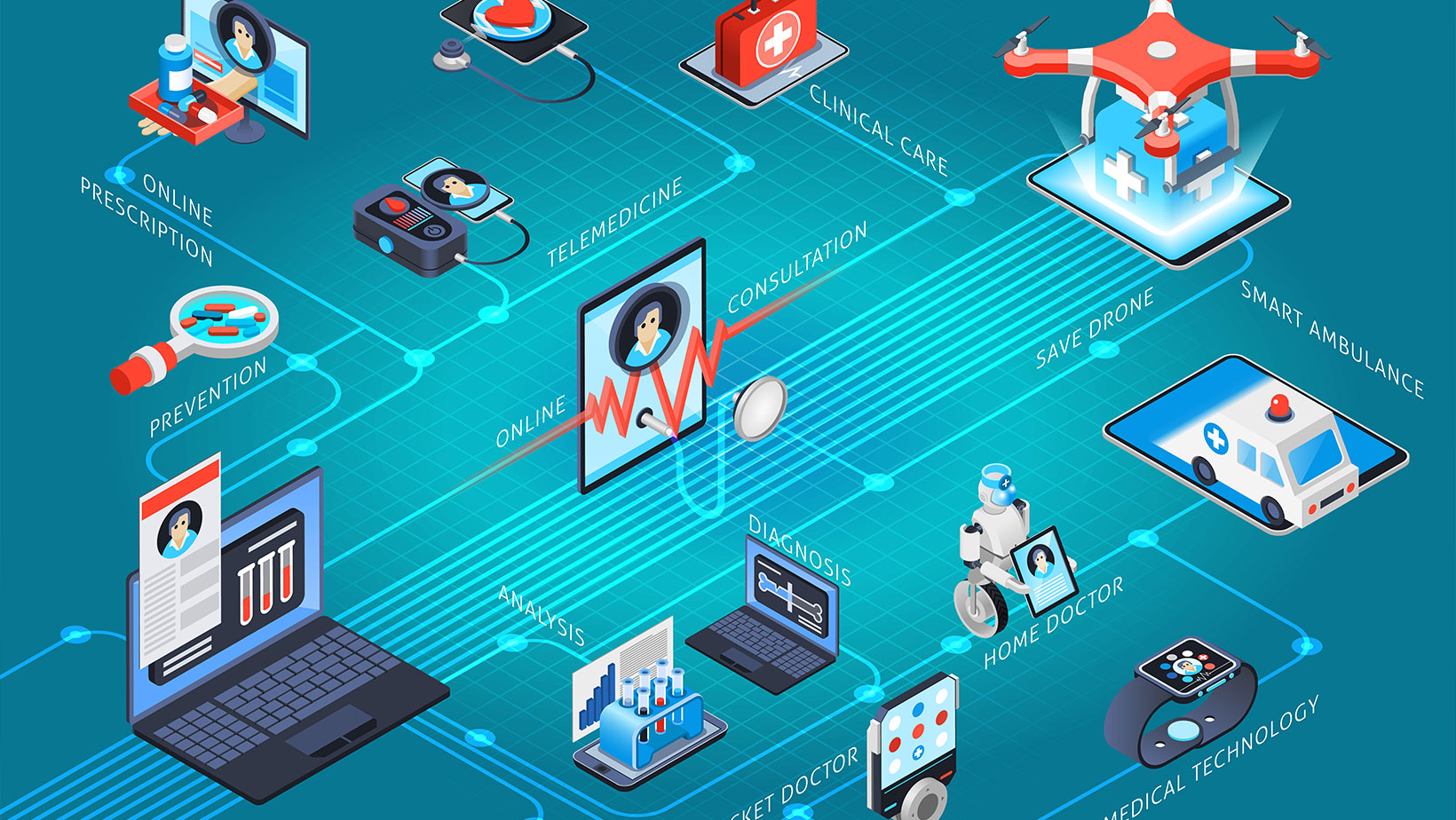
Local SEO has always been essential for medical clinics, but in 2025, it’s evolved into something far more sophisticated — AI-powered local visibility. Today, patient discovery is no longer driven only by search rankings or keywords. Instead, visibility is shaped by a powerful combination of Google Maps, review sentiment, and AI-driven search engines that analyze structured data, behavior patterns, trust signals, and real patient language to recommend clinics.
Artificial intelligence now controls more of the patient decision journey than ever before. Systems like Google AI Mode, AI Overviews, ChatGPT Search, Apple Intelligence, and Perplexity rely heavily on local listing accuracy, review quality, and service relevancy to determine which clinic is most trustworthy and most relevant to a patient’s specific query.
This means the clinics that embrace AI-powered local SEO strategies will dominate their market, while those relying on outdated SEO tactics will quickly fall behind. Here’s how AI, Google Maps, and reviews work together — and how clinics can use this to grow in 2025.
1. Why AI Local SEO Has Replaced Traditional SEO for Clinics
Traditional SEO was built on website content, backlinks, and keywords. While still helpful, it no longer dictates whether a clinic gets discovered. In 2025, patient decisions are driven by location-based intent and AI-driven recommendation models.
When a patient searches:
- “urgent care near me open now,”
- “best women’s health clinic nearby,”
- “pediatrician with great reviews,”
- “cardiologist who accepts my insurance,”
AI engines don’t crawl websites first — they pull structured data from:
- Google Business Profile
- Maps service fields
- clinic reviews
- service categories
- provider-level listings
- directory accuracy
- real-time availability (if connected)
AI ranking logic now values trust + accuracy + relevance, not just keywords.
Clinics that win local SEO today are the clinics that feed AI systems the precise structured data they need to evaluate and recommend them.
2. Google Maps Is Now the #1 Driver of Local Patient Traffic
More than 70% of patients interact with Google Maps before they ever visit a clinic’s website. Maps behavior includes:
- viewing photos
- checking reviews
- comparing ratings
- exploring hours
- clicking to call
- clicking to book
Maps has become the digital front door for medical practices. The clinics appearing in the Maps 3-pack receive the majority of calls and appointment clicks.
What determines Maps ranking in 2025?
AI-powered algorithms evaluate:
- primary category accuracy
- number of reviews
- review recency
- review sentiment
- service list relevance
- proximity
- photo authenticity
- posting frequency
- listing completeness
- clinic reputation across multiple platforms
Maps doesn’t just ask “Who is closest?” — it asks “Who is trustworthy, active, and relevant?”
3. The Rise of AI Search Engines — and What They See
Google AI Mode and AI Overviews changed everything. Instead of listing links, AI summarizes answers.
Example patient question:
“Best primary care clinic for diabetes management near me?”
AI then pulls structured signals from clinics such as:
- who lists “diabetes management” as a service
- who has reviews mentioning chronic care
- who has photos indicating a real medical environment
- who has accurate hours and insurance info
- who is open right now
- who has a strong sentiment ranking
If your listing doesn’t include the right attributes, AI does NOT recommend you — even if you rank well traditionally.
This is why structured data and local listings matter more than website content in 2025.
4. How Reviews Fuel AI-Powered Local SEO
Reviews are no longer “nice to have.” They are now the most important local SEO signal for clinics.
AI reads reviews far deeper than humans do. It interprets:
- emotional tone
- provider names
- specific conditions mentioned
- bedside manner
- wait times
- staff friendliness
- cleanliness
- office environment
- insurance details
- frequency of complaints
- frequency of praise
- patterns
- recency
This is sentiment analysis — and it directly impacts visibility.
High-impact review factors for 2025:
- receiving weekly reviews (freshness)
- maintaining 4.7 stars or higher
- having 100+ reviews per location
- responding professionally
- encouraging long, detailed reviews
AI systems consider detailed reviews more authoritative than short ones because they include clinical cues and trust signals.
A clinic with 4.8⭐ and 350+ reviews will always beat a clinic with 4.3⭐ and 40 reviews — even if they provide the same services.
5. Service Lists, Categories, and Structured Data: AI’s Core Signals
AI models rely heavily on structured fields in your listings. For each clinic location, you must have:
- correct primary category
- optimized secondary categories
- specific services listed as individual items
- accurate descriptions
- specialties and sub-specialties
- insurance information
- accessibility attributes (e.g., wheelchair accessible)
- language options
- telehealth availability
Example:
A clinic offering dermatology services cannot simply list “medical clinic.”
They must list:
- dermatologist
- acne treatment
- mole removal
- skin cancer screening
- cosmetic dermatology
AI depends on this structure to match providers with patient intent.
6. Photos and Visual Trust: AI Validates Authenticity Through Imagery
Google’s algorithms increasingly use photo analysis to validate business authenticity. Clinics with real interior and exterior photos rank higher because AI trusts them more.
AI evaluates:
- clarity
- location metadata (geotagging)
- number of unique photos
- freshness of photos
- presence of people (staff, patients—not identifiable)
- medical equipment
- signage
- clean environment
Stock photos are heavily penalized.
AI downgrades clinics using generic medical imagery.
7. AI-Powered Local SEO Checklist for Clinics
Here is the 2025 winning formula clinics must follow:
1. Optimize Google Business Profile for every location
Primary category, services, insurance, photos, hours, and weekly posts.
2. Build a review engine
Automated review requests + 100+ reviews per location.
3. Strengthen listings across all top medical directories
Healthgrades, Vitals, WebMD Care, Yelp, Zocdoc, CareDash.
4. Remove listing inconsistencies
Name, address, phone, hours, business name formatting.
5. Add AI-friendly structured data
Service lists, FAQs, specialties, provider bios.
6. Upload fresh photos monthly
Authentic, bright, taken inside the clinic.
7. Post weekly Google Updates
AI reads updates as activity signals.
8. Use UTM tracking for booking links
Allows you to measure which listings drive appointments.
8. Why AI-Powered Local SEO Will Only Grow Stronger
AI is becoming the primary healthcare gatekeeper. In 2025 and beyond, patients will rely even more on:
- voice assistants
- chat-based search
- location-based recommendations
- conversational queries
- personalized recommendations based on sentiment
AI will continue to prioritize clinics with:
- better data
- stronger reviews
- consistent listings
- structured service information
- accurate maps presence
This is why clinics must embrace AI-powered local SEO now.
Conclusion
AI-powered local SEO is the new pathway for patient acquisition. Traditional SEO alone can’t compete with the ranking signals that matter most today:
- Google Maps accuracy
- review sentiment
- structured service data
- directory completeness
- photo authenticity
- consistency across listings
Clinics that optimize these elements raise their visibility, improve patient trust, and dominate local search — both traditional and AI-driven.
The future of patient discovery is clear:
AI recommends the clinic that looks the most trustworthy, complete, and accurate.
Your visibility depends on how well your listings reflect that.